The Uncode
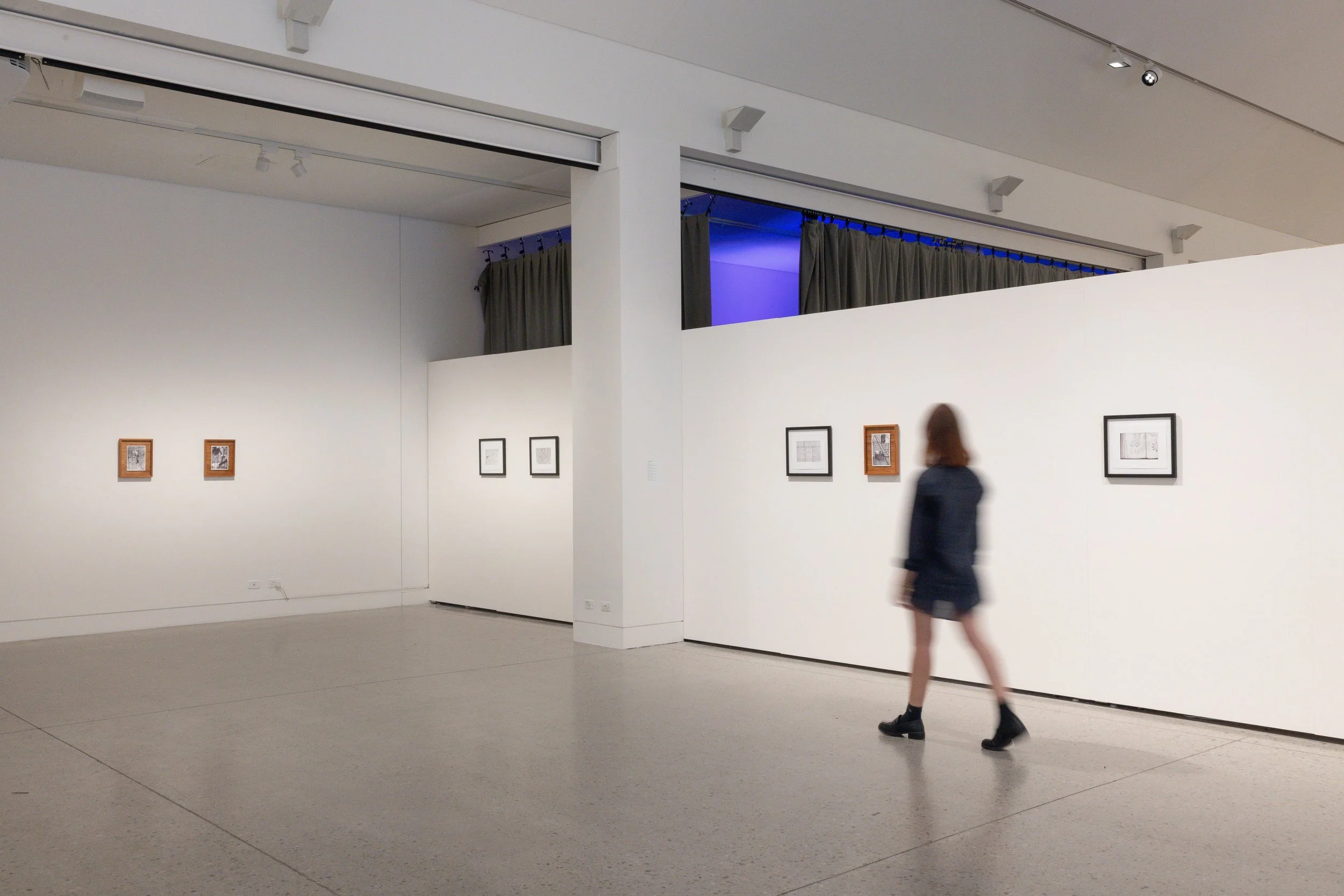
Exhibited on Dharug and Gundungurra Country at the Blue Mountains City Art Gallery, Katoomba, New South Wales
7 February - 29 March 2026
This project was generously supported by the University of New South Wales Arts, Design & Architecture
Exhibition photography: Maja Baska
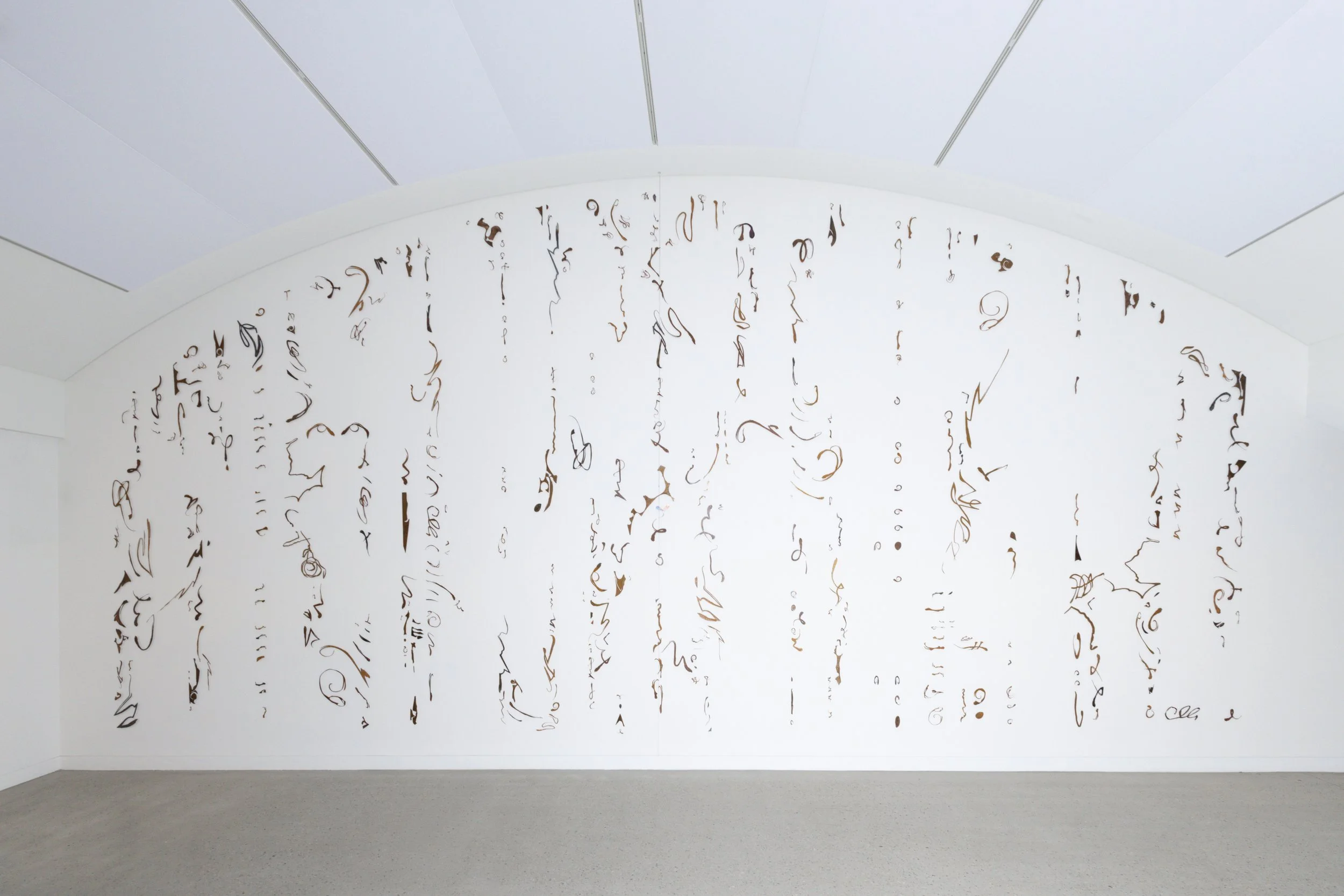
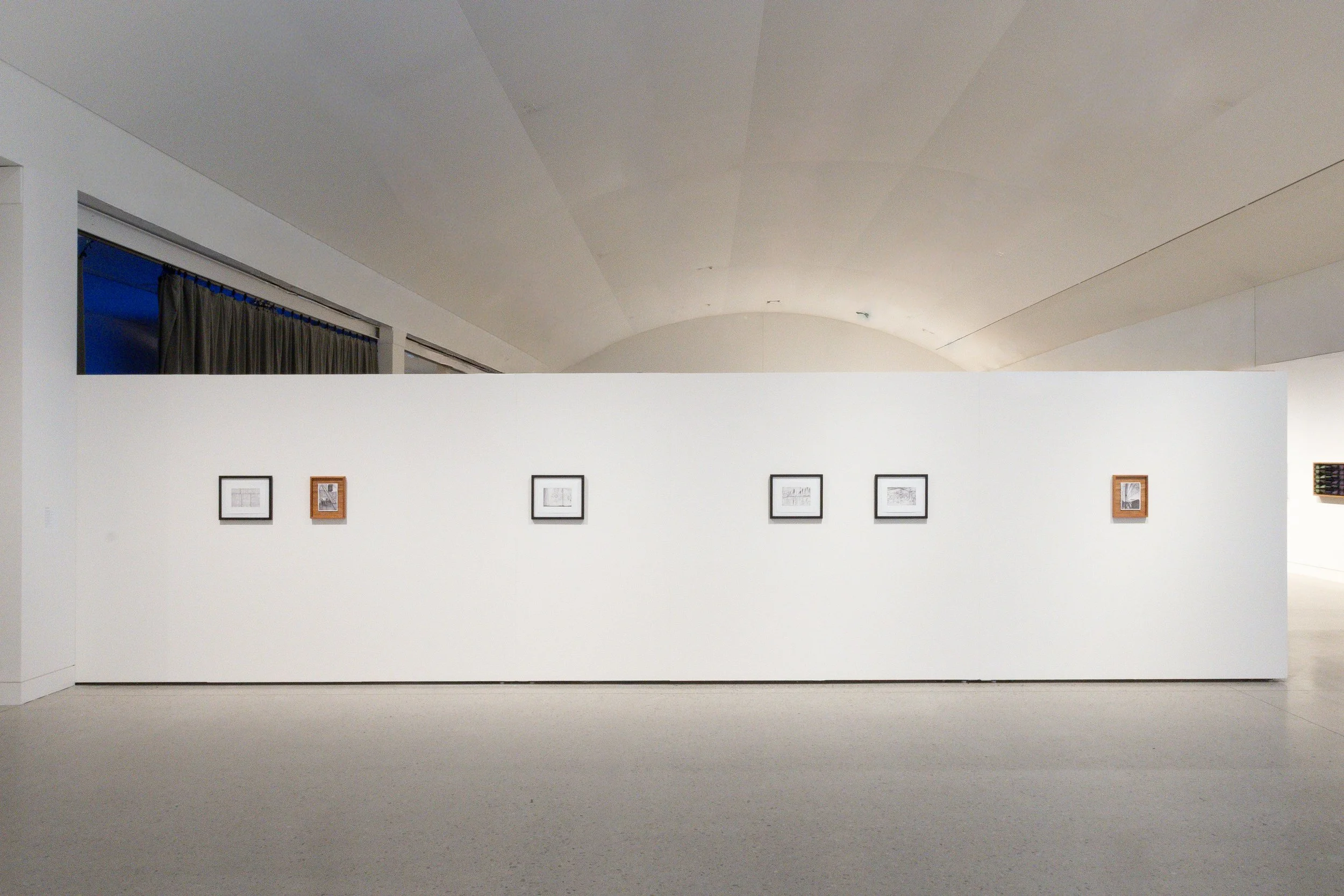
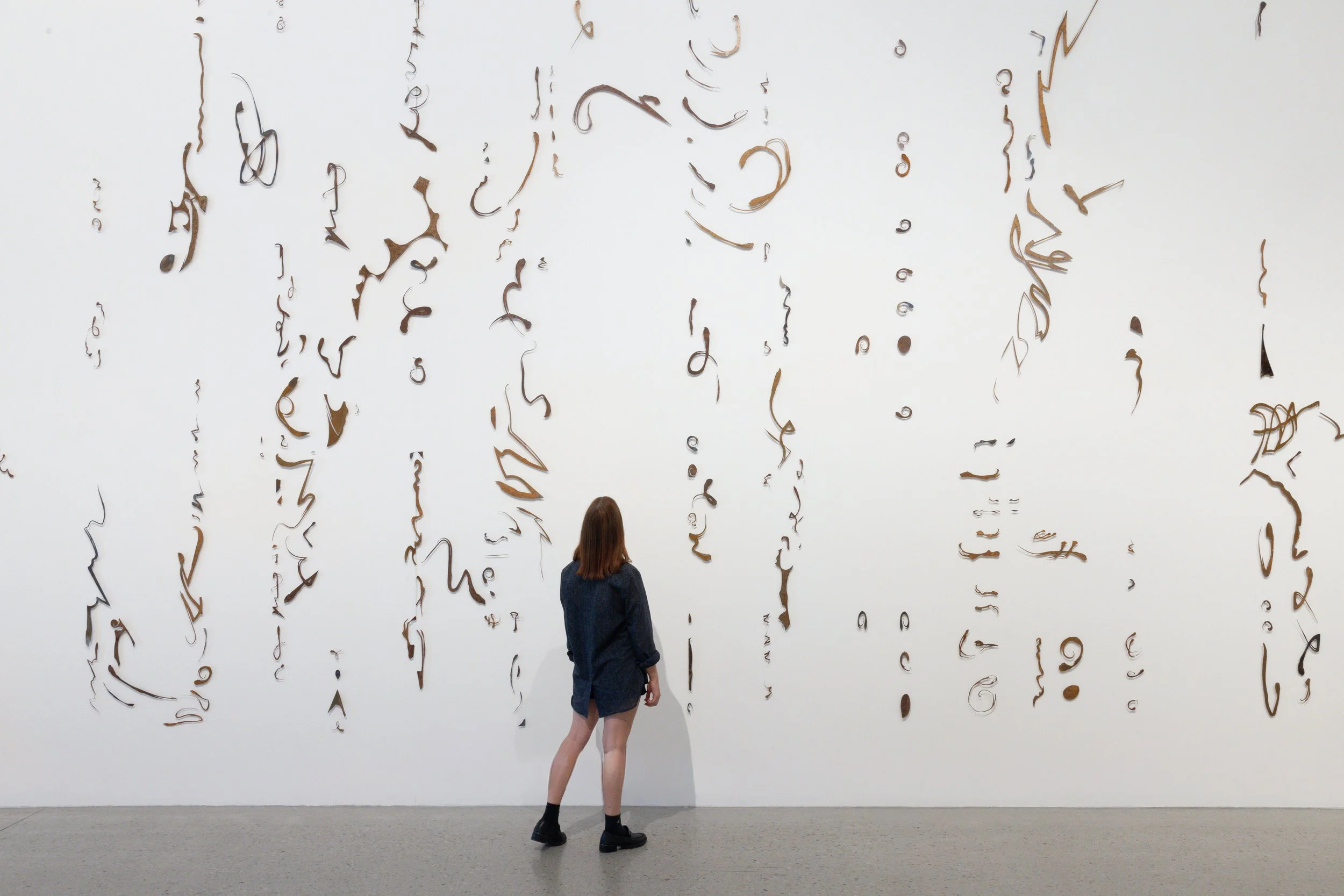
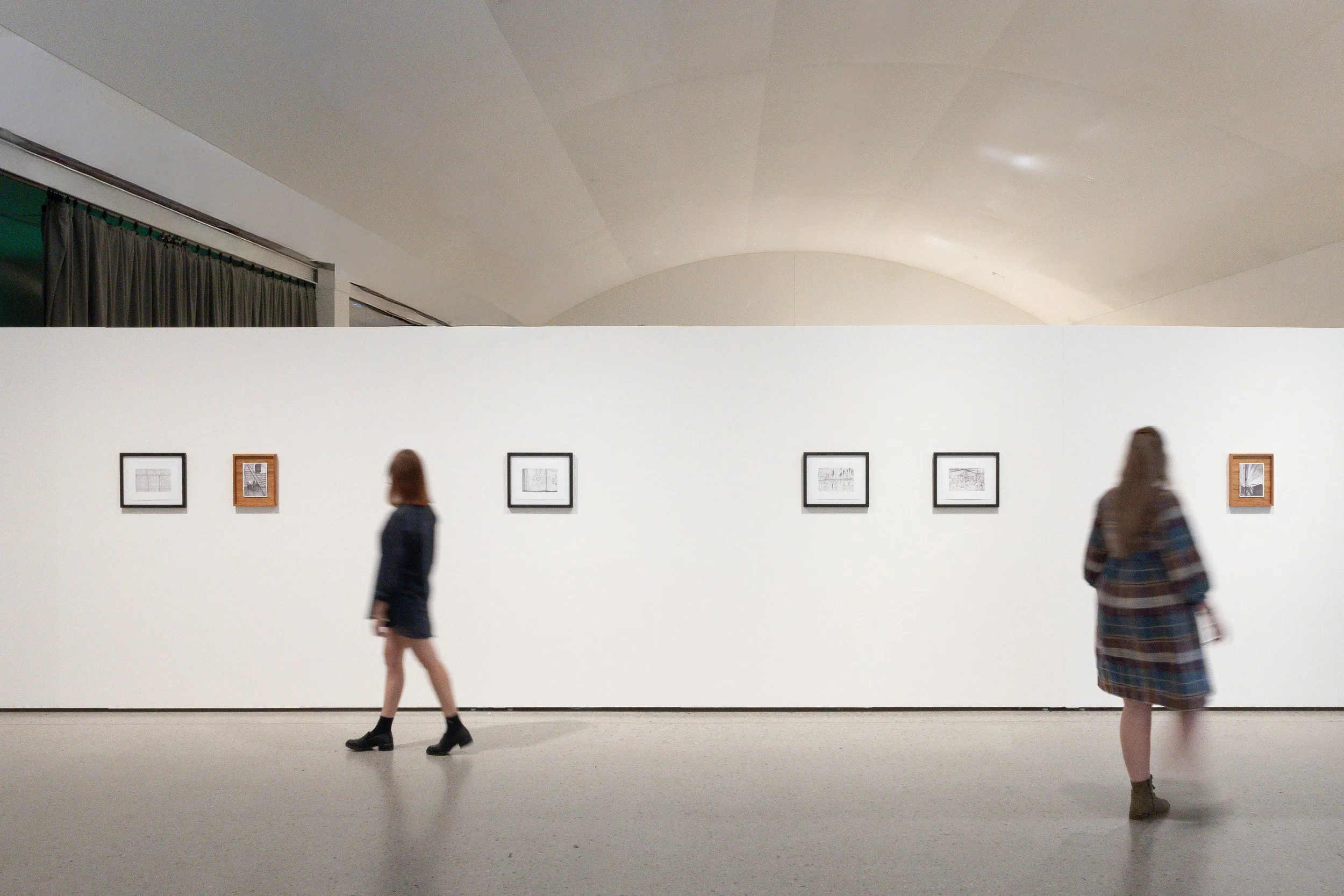
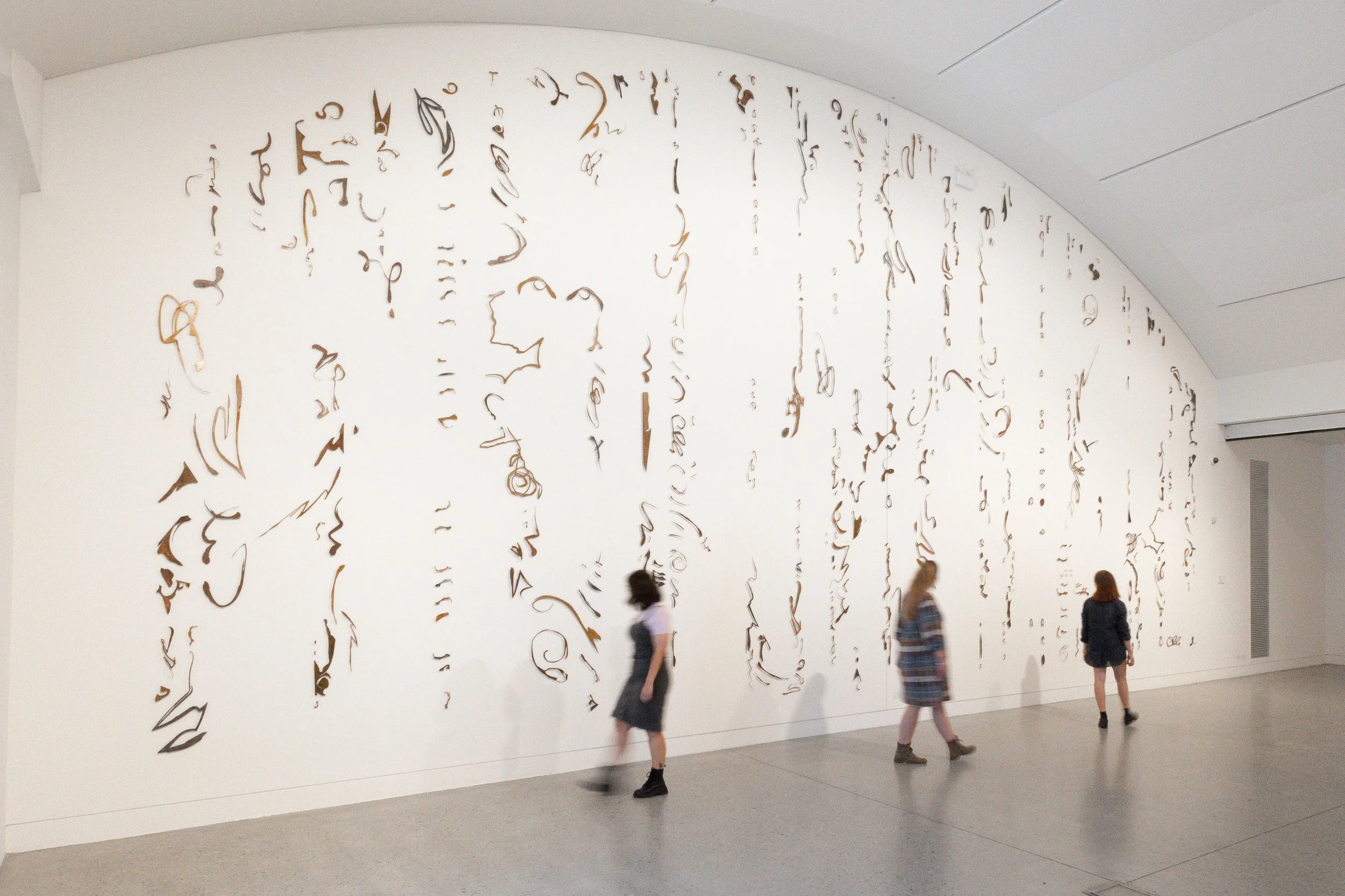
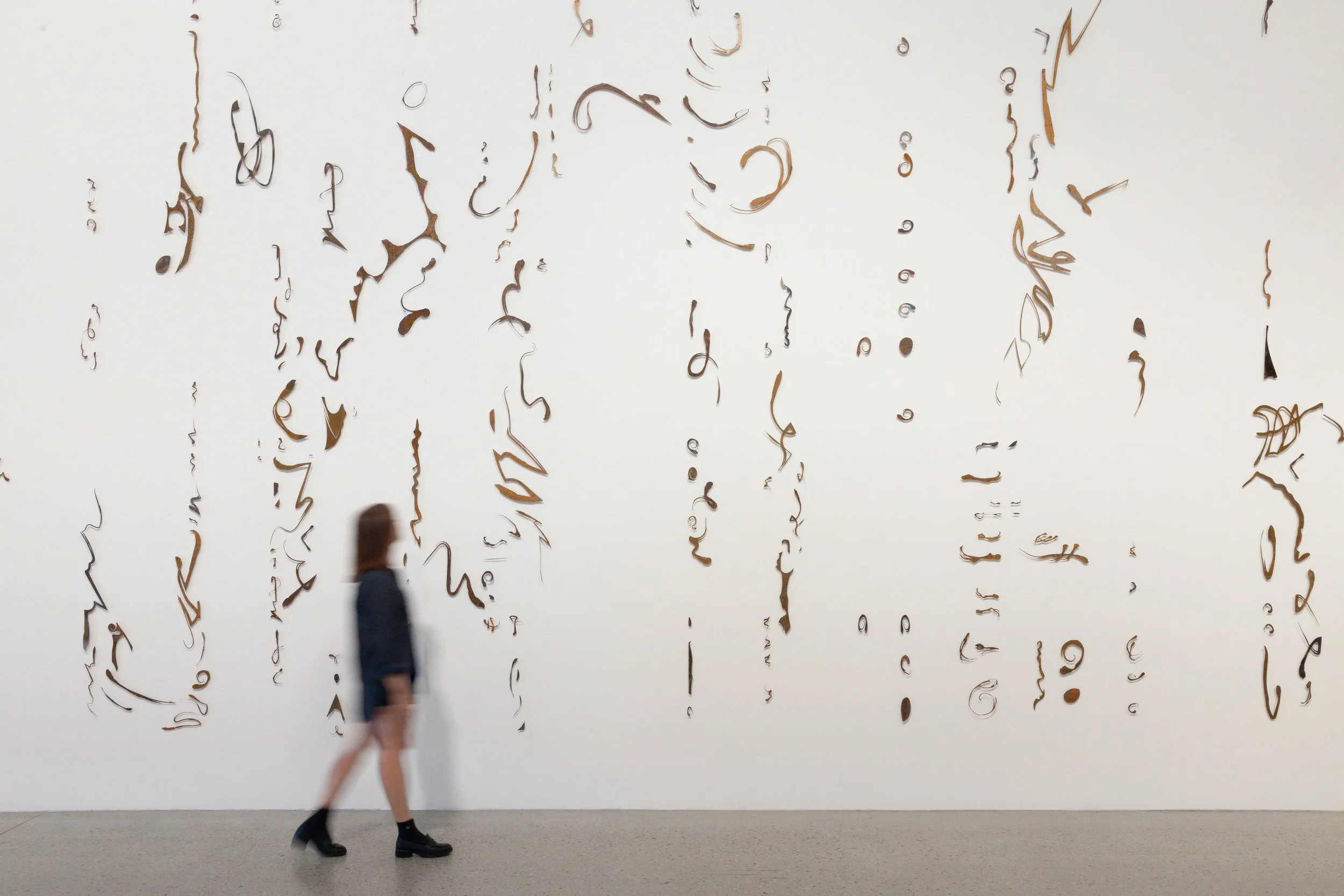
With a speculative, archaeological gaze, The Uncode turns its attention to the ambiguous space where drawing and writing overlap—a space in which the line demands both looking and reading at once, and abstract forms seem charged with the potential for communication, even if they can only speak in worlds outside our own.
In this exhibition, traditions of abstraction are combined with the materials, rules, and aesthetics of writing systems to create a large-scale installation in which drawing and writing occupy the same forms at the same time. Assembled here are marks that may, or may not, carry meaning, gathered from sites across the world: inscriptions from ancient Egyptian walls; fragments of lines found on Grecian pottery shards; scrawled graffiti from the streets of Sydney’s western suburbs. All are recast as rusted metal forms that sit somewhere between the ancient artifactual and the modern industrial scrap.
Without clear knowledge of where these marks originated, when they were made, or what they meant to their makers, they linger in a space between sense and nonsense, meaning and non-meaning. Perhaps, this exhibition suggests, they can be understood as uncoded signs: signs that are not-yet, or no-longer, tied to a language system.
What emerges is part speculative-fiction, part riddle: an interface that serves as both a point of connection and a vessel of communication between us—the reader—and an unknown other, someone who speaks in a code beyond the bounds of our knowledge systems. Here, we are invited not to decipher, but to assume the role of ‘reader’ in the Old English sense of the term: a diviner of riddles, someone who intuits by guesswork, as one might interpret a dream.
Yet as we engage with what is ultimately an illusion of language, we should proceed with caution. In a collection of essays titled Los Raros, the poet Rubén Darío warns: “Do not pretend to be a spectre, because you may become one.” Perhaps in instances such as these—where drawing mimics, or is perceived as, writing—we might heed this advice. Do not pretend to be a language, because you may become one.